Elevate your local knowledge
Sign up for the iNFOnews newsletter today!
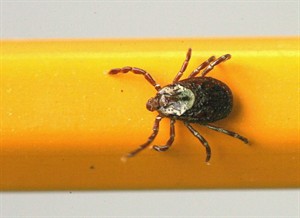
The “bugs” of late summer are biting. The nation is having its worst West Nile virus season in a decade, and up to 10,000 people who stayed in California cabins are at risk of hantavirus. A second case of bubonic plague in the West has been confirmed — in a girl in Colorado — and scientists fear that a bumper crop of ticks could spread Lyme disease, the nation’s most common bug-borne malady.
Yet the risk of getting these scary-sounding diseases is small. With the right precautions, you can still enjoy spending time outdoors. And that helps fight much more common threats to your health — obesity and too little exercise.
HANTAVIRUS
How it’s spread: Touching or breathing air particles of urine or droppings from certain types of mice or rats, especially deer mice.
Symptoms: Develop one to six weeks later and can include flulike symptoms that progress into a dry cough, headache, nausea and vomiting, then shortness of breath.
Where it occurs: Anywhere in the U.S.; recent cases were in Yosemite National Park in California.
Prevention: Keep rodents out of your home; carefully clean any nests with disinfectant or bleach and water.
WEST NILE
How it’s spread: Mosquitoes
Symptoms: Most people have none; some develop flulike symptoms; a very small percentage get neurological symptoms.
Where it occurs: Nearly all states; this year, Texas has been hardest-hit.
Prevention: Eliminate standing water that can breed mosquitoes; use insect repellents containing DEET, picaridin, IR3535 or oil of lemon eucalyptus.
BUBONIC PLAGUE
How it’s spread: Contact with an infected fleas, rodent or cat; prairie dogs in Colorado can carry it.
Symptoms: Sudden fever, headache, chills, weakness and swollen lymph nodes.
Where it occurs: Only about half a dozen cases occur each year across the country, mostly in the Southwest.
Prevention: Avoid contact with rodents; limit brush, rock and wood piles and rodent breeding areas near the home.
LYME DISEASE
How it’s spread: Ticks.
Symptoms: Fever, headache, fatigue and a bulls-eye rash. Untreated, it can cause joint, heart and nervous system problems.
Where it occurs: Northeast and mid-Atlantic coastal states; North central states, mostly Wisconsin and Minnesota; the West Coast, especially northern California.
Prevention: Use bug repellents with 20 per cent or more DEET; when in the woods, walk in the centre of trails, avoiding brush; shower soon after coming inside and check your body, hair and clothes for ticks.
(Also helps prevent other tick-borne diseases such as ehrlichiosis, Rocky Mountain spotted fever, tularemia and babesiosis).
___
Online:
Centres for Disease Control: http://www.cdc.gov
EPA bug spray advice:
http://cfpub.epa.gov/oppref/insect/
How to remove a tick:
http://www.cdc.gov/lyme/removal/index.html
How to safely clean rodent areas: http://www.cdc.gov/hantavirus/pdf/HPS_Brochure.pdf
___
Marilynn Marchione can be followed at http://twitter.com/MMarchioneAP
News from © The Associated Press, . All rights reserved.
This material may not be published, broadcast, rewritten or redistributed.

This site is protected by reCAPTCHA and the Google Privacy Policy and Terms of Service apply.
Want to share your thoughts, add context, or connect with others in your community?
You must be logged in to post a comment.