Elevate your local knowledge
Sign up for the iNFOnews newsletter today!
In the decades leading up to the Civil War, fearless throngs defied prison or worse to secretly shuttle as many as 7,000 slaves escaped from the South on a months-long slog through Illinois and on to freedom. On Tuesday, a task force of lawmakers and historians recommended creating a full-time commission to collect, publicize and celebrate their journeys on the Underground Railroad.
A report from the panel suggests the professionally staffed commission unearth the detailed history of the treacherous trek that involved ducking into abolitionist-built secret rooms, donning disguises and engaging in other subterfuge to evade ruthless bounty hunters who sought to capture runaways.
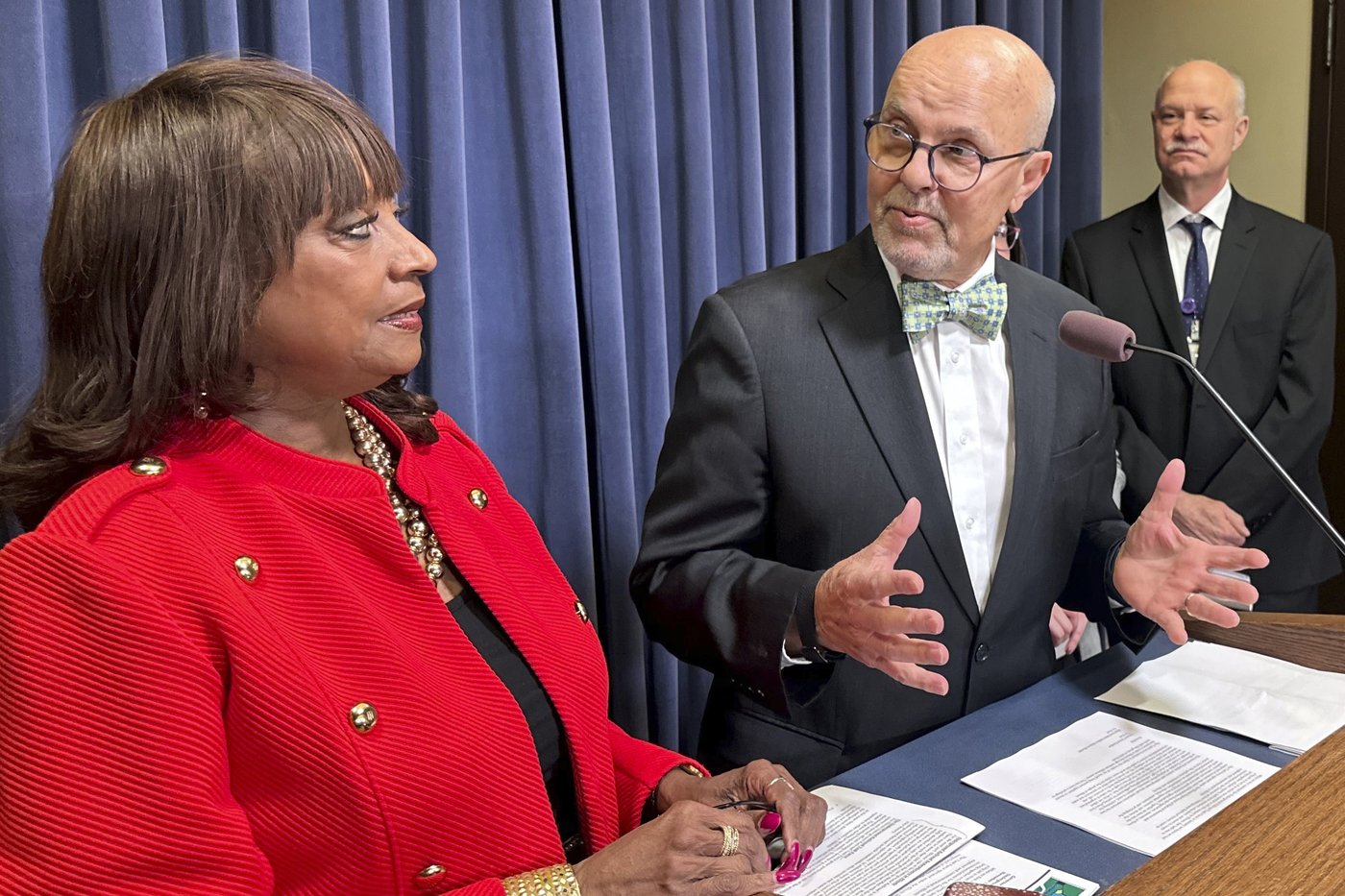
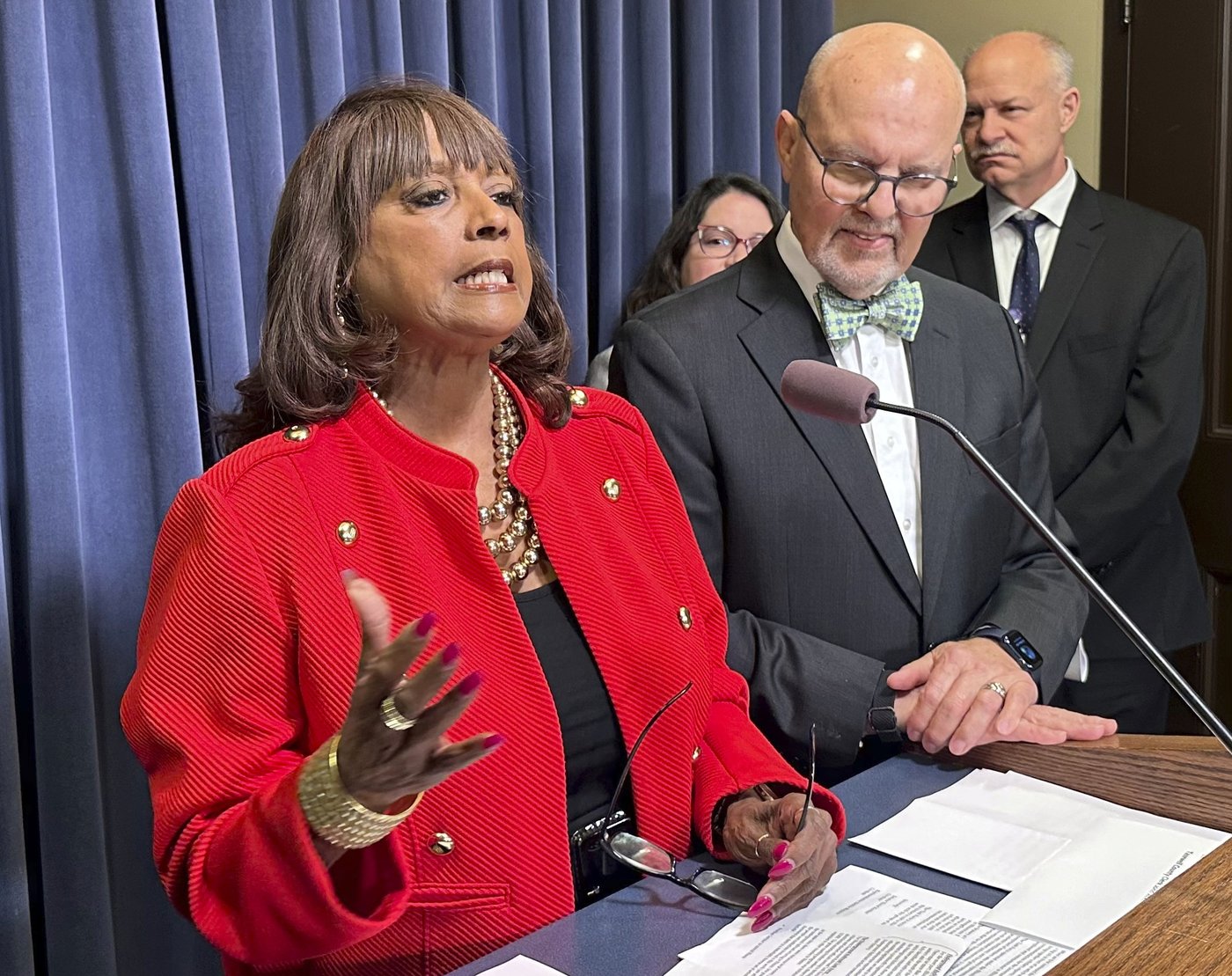
State Sen. David Koehler of Peoria, who led the panel created by lawmakers last year with Rep. Debbie Meyers-Martin from the Chicago suburb of Matteson, said the aim was to uncover “the stories that have not been told for decades of some of the bravest Illinoisans who stood up against oppression.”
“I hope that we can truly be able to honor and recognize the bravery, the sacrifices made by the freedom fighters who operated out of and crossed into Illinois not all that long ago,” Koehler said.
There could be as many as 200 sites in Illinois — Abraham Lincoln’s home state — associated with the Underground Railroad, said task force member Larry McClellan, professor emeritus at Governors State University and author of “Onward to Chicago: Freedom Seekers and the Underground Railroad in Northeastern Illinois.”
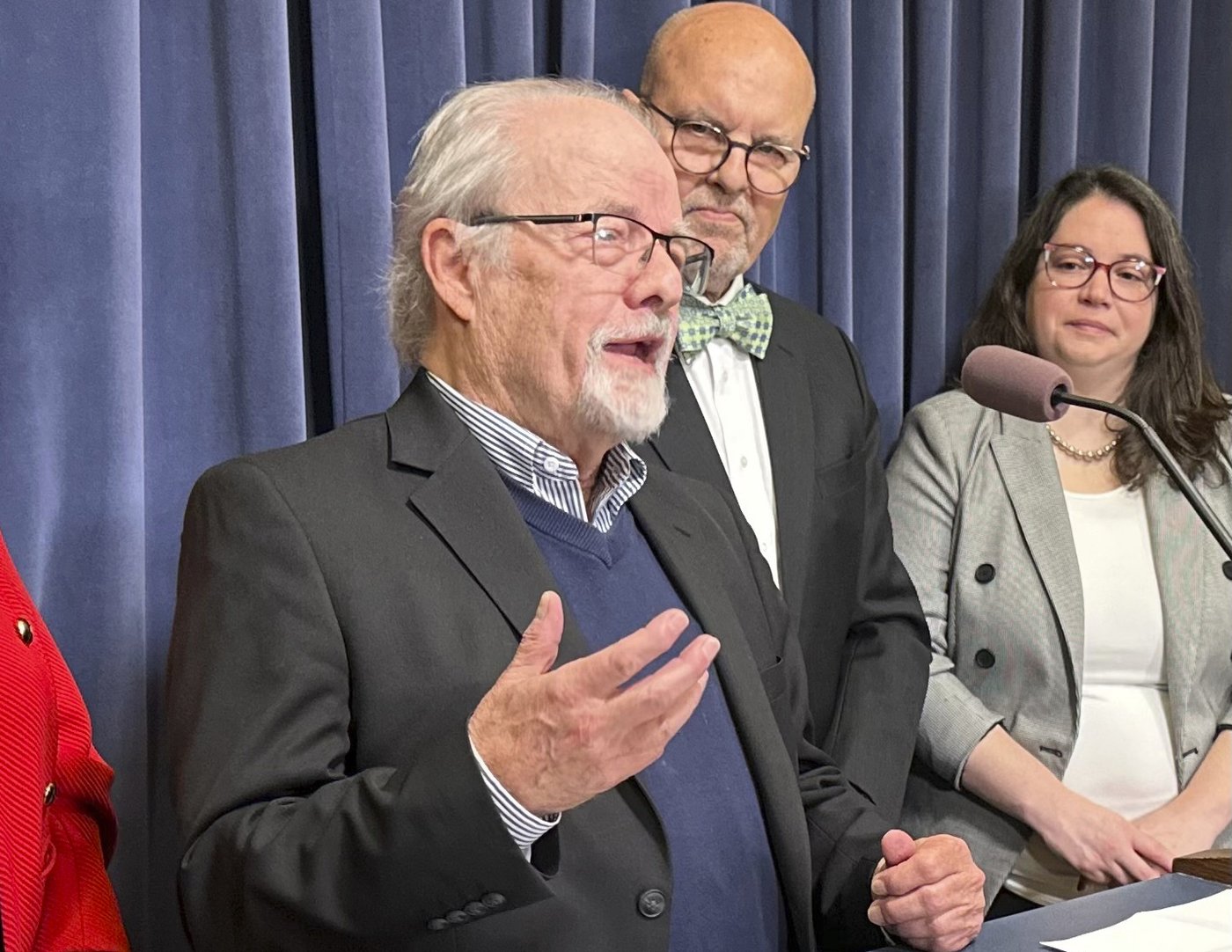
“Across Illinois, there’s an absolutely remarkable set of sites, from historic houses to identified trails to storehouses, all kinds of places where various people have found the evidence that that’s where freedom seekers found some kind of assistance,” McClellan said. “The power of the commission is to enable us to connect all those dots, put all those places together.”
From 1820 to the dawn of the Civil War, as many as 150,000 slaves nationally fled across the Mason-Dixon Line in a sprint to freedom, aided by risk-taking “conductors,” McClellan said. Research indicates that 4,500 to 7,000 successfully fled through the Prairie State.
But Illinois, which sent scores of volunteers to fight in the Civil War, is not blameless in the history of slavery.
Confederate sympathies ran high during the period in southern Illinois, where the state’s tip reaches far into the old South.
Even Lincoln, a one-time white supremacist who as president penned the Emancipation Proclamation, in 1847 represented a slave owner, Robert Matson, when one of his slaves sued for freedom in Illinois.
That culture and tradition made the Illinois route particularly dangerous, McClellan said.
Southern Illinois provided the “romantic ideas we all have about people running at night and finding places to hide,” McClellan said. But like in Indiana and Ohio, the farther north a former slave got, while “not exactly welcoming,” movement was less risky, he said.
When caught so far north in Illinois, an escaped slave was not returned to his owner, a trip of formidable length, but shipped to St. Louis, where he or she was sold anew, said John Ackerman, the county clerk in Tazewell County who has studied the Underground Railroad alongside his genealogy and recommended study of the phenomenon to Koehler.
White people caught assisting runaways faced exorbitant fines and up to six months in jail, which for an Illinois farmer, as most conductors were, could mean financial ruin for his family. Imagine the fate that awaited Peter Logan, a former slave who escaped, worked to raise money to buy his freedom, and moved to Tazewell County where he, too, became a conductor.
“This was a courageous act by every single one of them,” Ackerman said. “They deserve more than just a passing glance in history.”

The report suggests the commission be associated with an established state agency such as the Illinois Department of Natural Resources and that it piggy-back on the work well underway by a dozen or more local groups, from the Chicago to Detroit Freedom Trail to existing programs in the Illinois suburbs of St. Louis.
News from © The Associated Press, . All rights reserved.
This material may not be published, broadcast, rewritten or redistributed.

This site is protected by reCAPTCHA and the Google Privacy Policy and Terms of Service apply.
Want to share your thoughts, add context, or connect with others in your community?
You must be logged in to post a comment.