Elevate your local knowledge
Sign up for the iNFOnews newsletter today!
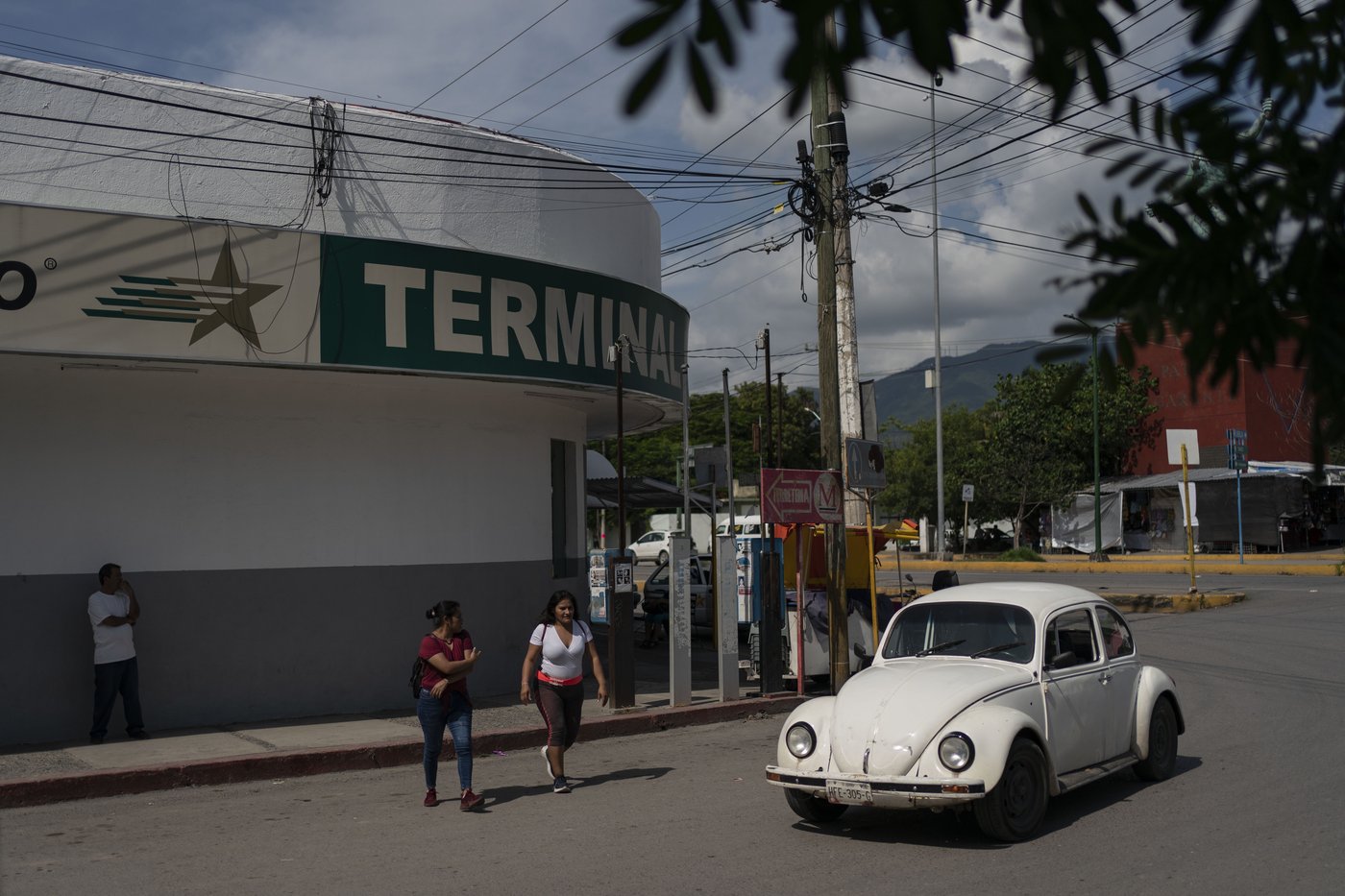
IGUALA, Mexico (AP) — Ulises Martínez is still uncomfortable in this city, even though it’s been 10 years since 43 of his fellow students from a rural teachers college were abducted here.
Martínez was in his third year at the Rural Normal School at Ayotzinapa, an institute known for its radical social justice activism about 120 kilometers (75 miles) south of Iguala in the southern Mexico state of Guerrero.
The students who disappeared on Sept. 26, 2014, had commandeered five buses in Iguala that they planned to drive to Mexico City to attend the commemoration of the massacre of nearly 300 people by government forces during a student protest in 1968.
The Mexican government has determined that the Rural Normal School students were attacked by security forces linked to a local drug cartel, but many questions about what happened to them remain.
Martínez has reconstructed a timeline as part of his personal commitment to find justice. Here is what he recalls:
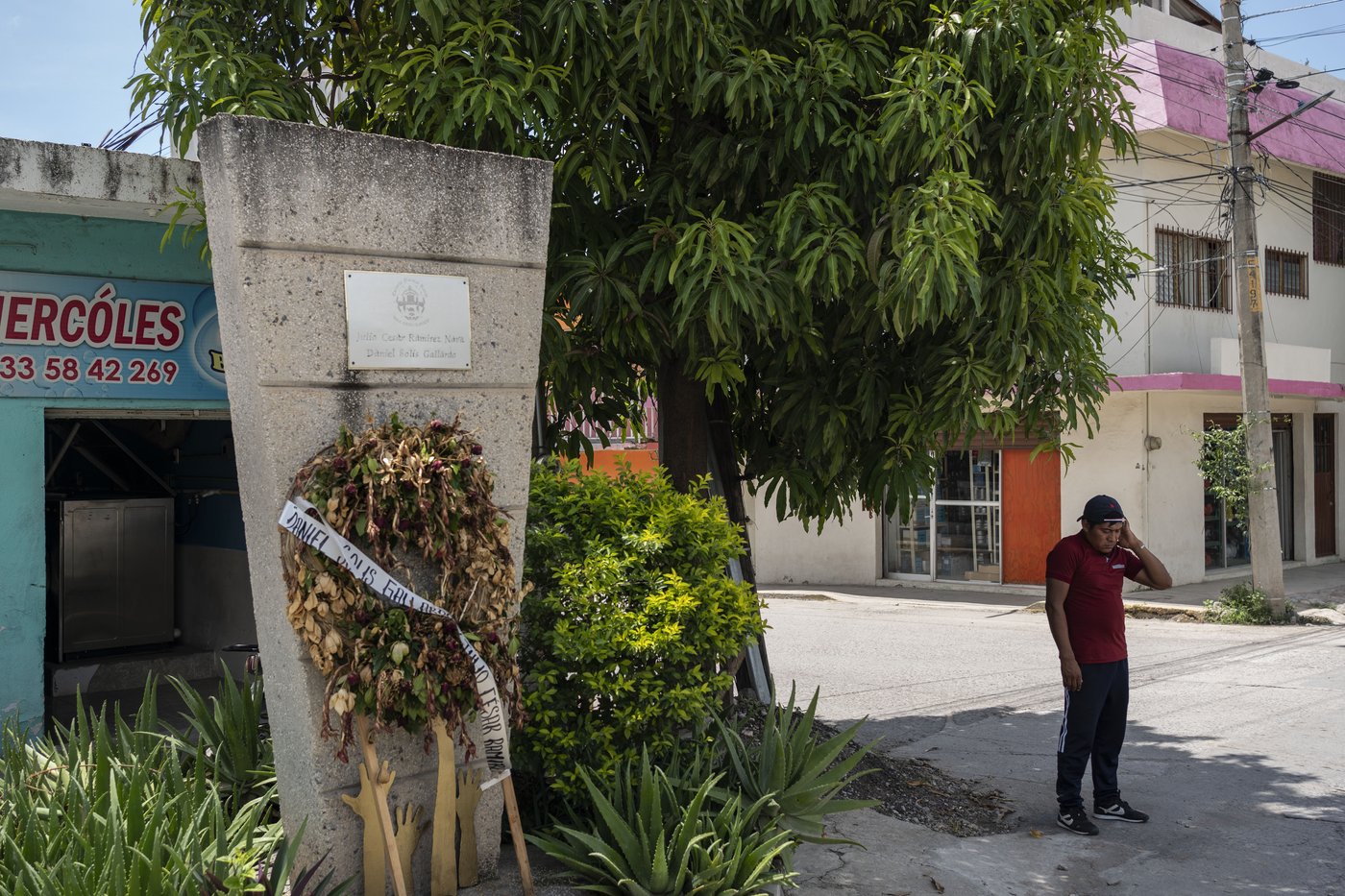
9:30 p.m., Sept. 26, 2014
At Ayotzinapa, students get word that their classmates have problems in Iguala and head for the city in two vans.
10 p.m.
The highway is empty, but at an intersection about 16 kilometers (10 miles) from Iguala, armed men in a pickup truck block the road. “Seeing that, we knew it wasn’t going to be easy,” Martínez said.
The student who is driving hits the gas and drives around the roadblock. No shots are fired.
10:20 p.m.
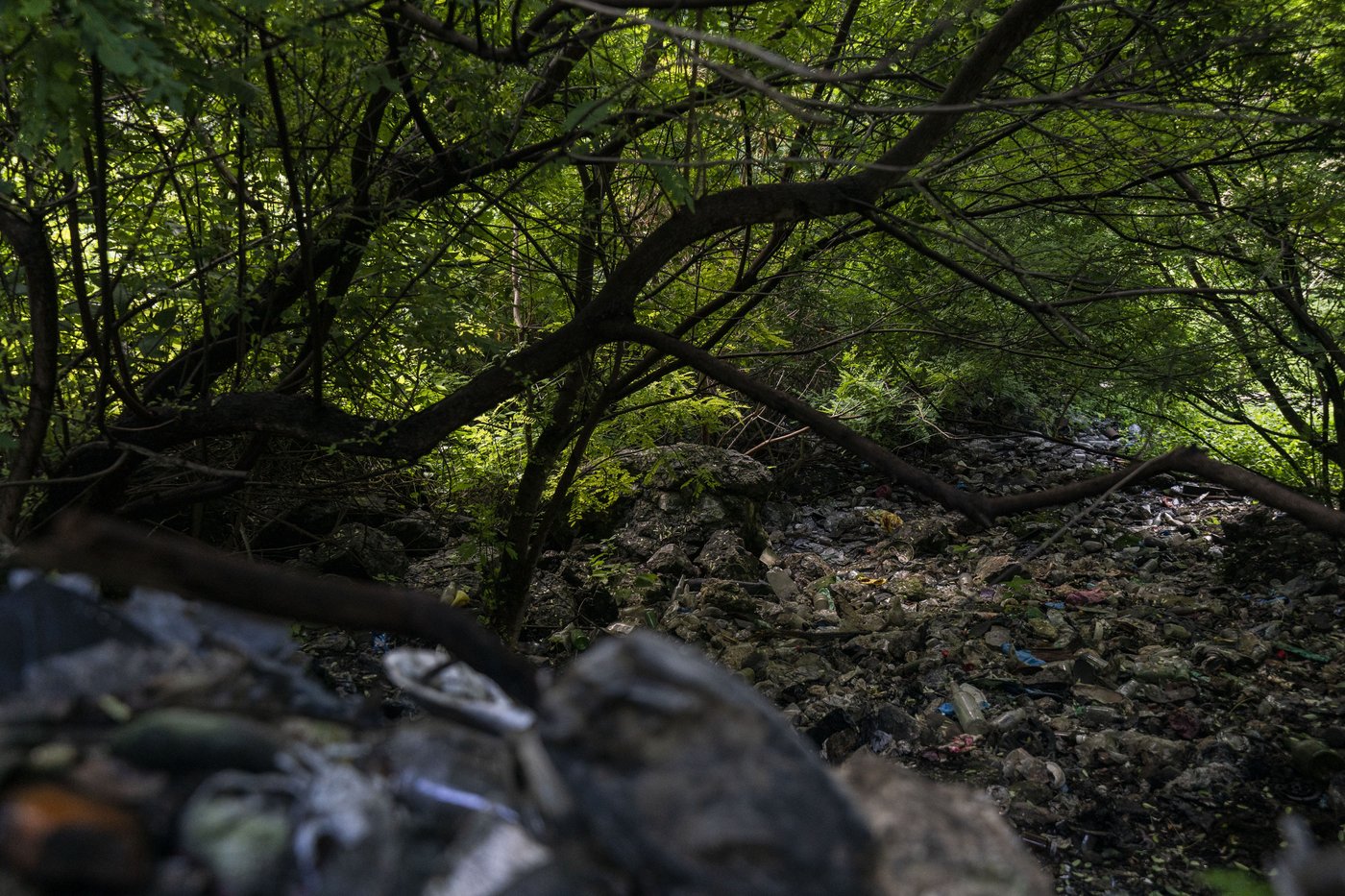
On the road into Iguala, they see one of the five buses their classmates had taken. It’s been torn apart. Its tires have been punctured, its windows broken and its luggage compartments opened. They also see a handful of first-year students running away. When they turn around to pick them up, they’re gone. At the same time, they receive desperate phone calls from other attacked students who try to describe where they are so that Martínez and his companions can go pick them up.
10:30 p.m.
Martínez and the others arrive at the terminal where the students had first taken the buses. They ask taxi drivers there to bring them to a place that matches the students’ descriptions, but the drivers refuse, saying they’ve been forbidden from going there.
11 p.m.
Driving around downtown Iguala, the students find three buses, all shot up. Some students are there and crying. “They couldn’t comprehend what had happened,” Martínez said.
Martínez climbs aboard one of the buses, where he finds puddles of blood and seats pocked with bullet holes.
“It looked really bad,” he said. “We were waiting for authorities, but no one arrived.”
Confusion reigns. Students guard the site, worried that someone will try to remove the buses or pick up the bullet casings. They call a local news outlet.
12:30 a.m., Sept. 27, 2014
During an impromptu news conference, Martínez walks over to take a photo of a puddle of blood left from where witnesses said a student was shot in the head. A red vehicle rolls up slowly, and some men dressed in black get out.
“One kneeled,” Martínez said. “First he fired into the air and then he started shooting point-blank.”
Martínez freezes in shock. A news reporter trips over him and they both fall to the ground.
Martínez then hides behind a bus wheel. Someone shouts to run. One student runs off alone and another is shot in the jaw and begins to bleed heavily.
When the shooting stops, a woman tells them to take him to a nearby hospital. “They’re going to kill you,” she says.
Martínez and his companions will later learn that two students were killed at the scene.
1 a.m.
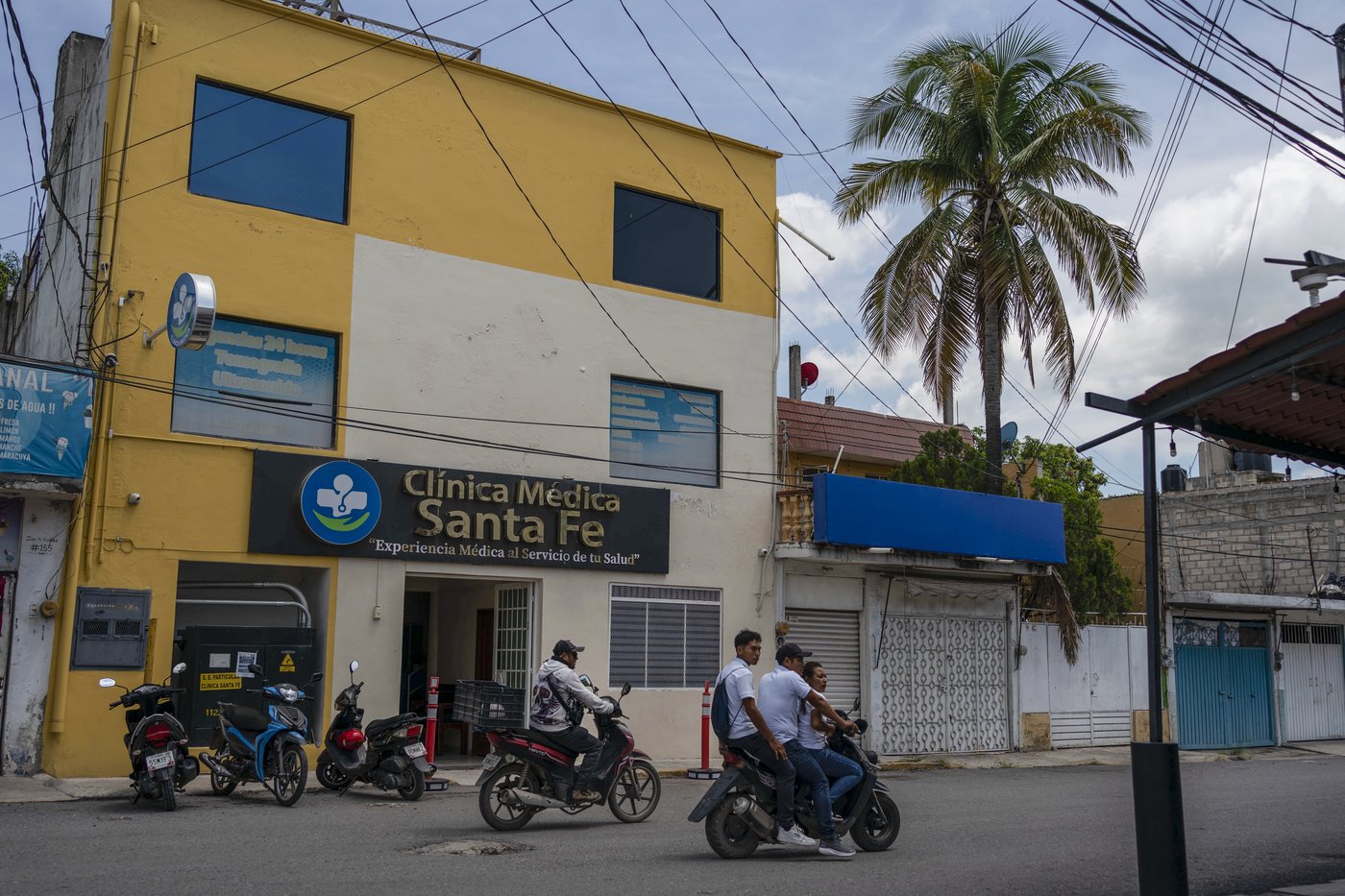
The students enter a small clinic, where nurses allow a wounded student to sit but don’t treat him.
Martínez and a classmate who hails from Iguala climb to the clinic’s roof to see if they’ve been followed. Martínez calls his father to say goodbye in case he doesn’t survive.
Two army trucks pull up. Martínez’s classmate wants to jump off the roof. Martínez says no, it will be safer at a nearby army base. But his classmate says that’s not true.
Soldiers, drug traffickers, police, “They’re all the same,” the other student warns.
The soldiers gather everyone downstairs. They tell the students to identify themselves in a notebook, warning them not to give fake names. The soldiers then receive a call and leave, but say the police are on their way to pick the students up.
1:15 a.m.
The students flee before police arrive. They persuade a cab driver to take their wounded classmate to the hospital, while the rest run down the street, eventually finding a house where 30 students who survived the attack in Iguala have taken refuge.
“I hid between a water tank and a washing machine,” Martínez said. “I found a wooden rosary and put it on.”
A girl moves Martínez and five others to another house to hide. No one sleeps.
5 a.m.
Students give statements to state investigators. One heads out to look for the classmates who are still missing.
A gruesome photograph of Julio Cesár Mondragón, the student who ran off alone when gunfire broke out, begins to circulate: His face has been ripped off.
9 a.m.
Martínez is sent to keep an eye on injured classmates at the hospital. He stays for four days, sleeping on a sheet of cardboard on the floor.
The night of terror is over, but a new nightmare is about to begin: Martínez and others will soon find out the full, terrifying scope of the attack. And they will spend the next 10 years fighting to find answers.
News from © The Associated Press, . All rights reserved.
This material may not be published, broadcast, rewritten or redistributed.

This site is protected by reCAPTCHA and the Google Privacy Policy and Terms of Service apply.
Want to share your thoughts, add context, or connect with others in your community?
You must be logged in to post a comment.