Elevate your local knowledge
Sign up for the iNFOnews newsletter today!
Elevate your local knowledge
Sign up for the iNFOnews newsletter today!
Select Region
Selecting your primary region ensures you get the stories that matter to you first.
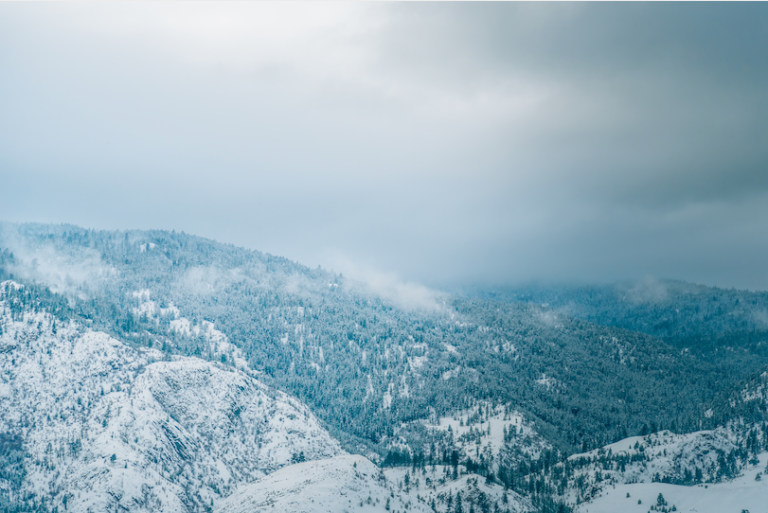
Concerns have been growing across BC as the snowpack measurements are lower than normal posing…
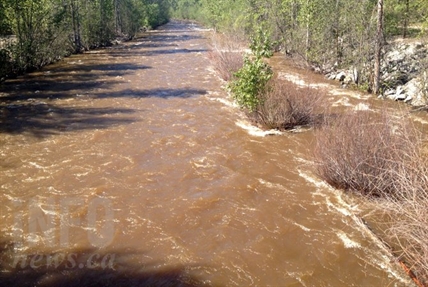
Snowpack accumulation that ranges from well below normal to normal bodes well for an early…
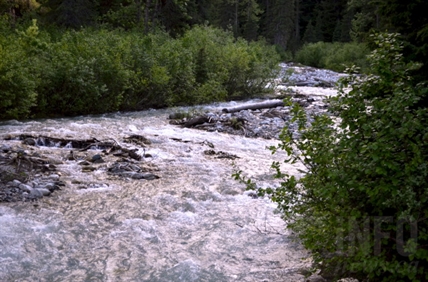
PENTICTON – Next week’s weather forecast should be welcome news to the winter weary, as…

Rivers continue to flow higher than normal with extreme flows and flood conditions persisting in…
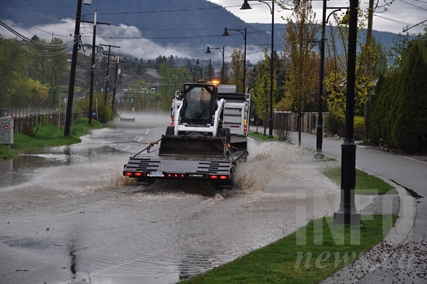
OKANAGAN – Flooded communities across the Thompson-Okanagan are getting a short reprieve over the next…

THOMPSON-OKANAGAN – The latest snowpack report from the Ministry of Environment explains why people in…
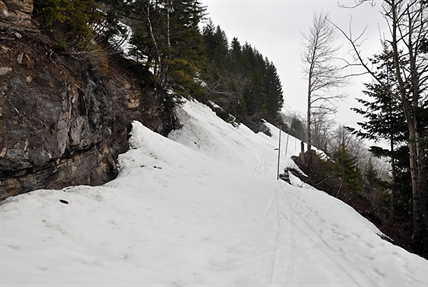
THOMPSON-OKANAGAN – An extremely warm, wet November followed by an unusually cold December has ski…
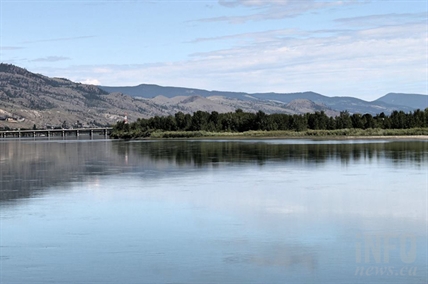
ELEVATED RISK OF FLOODING IN THE OKANAGAN AS RESULT OF BIG SNOW PACK THOMPSON-OKANAGAN –…
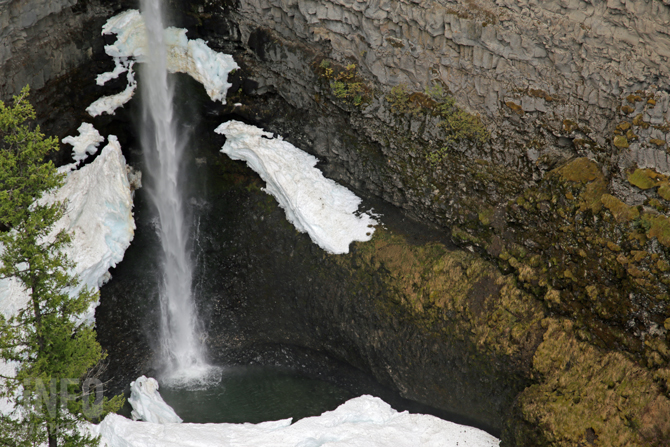
THOMPSON-OKANAGAN – Snowpacks in the region have increased slightly over the past several weeks, leaving…

THOMPSON-OKANAGAN – While high snowpack levels have dropped in some parts of the region, levels…

THOMPSON-OKANAGAN - An early melt and a warm, dry May mean there is little to no snow left in many basins around the region, and that means a low flood risk. The River Forecast Centre says the warm month led to a rapid melt of the snow pack and about half of the province’s snow...
THOMPSON-OKANAGAN - Current snowpack levels suggest the Okanagan could be in for a dry year, while the South Thompson should fair better. According to Tobi Gardner with the River Forecast Centre, snowpack is at 76 per cent of normal in the Okanagan — the lowest in five years. “What that translates to is a lower...

THOMPSON-OKANAGAN – It doesn’t happen often, but a perfect alignment of the right conditions may cause some flooding in the Southern Interior. The warm Pacific air bombarding the region, thanks to the Pineapple Express, is creating above normal temperatures, which in turn are starting to melt the lower elevation snowpack. Add the still frozen ground...