Elevate your local knowledge
Sign up for the iNFOnews newsletter today!

Kelowna is the latest city in B.C. to have a mental health and substance use crisis team to call instead of the police.
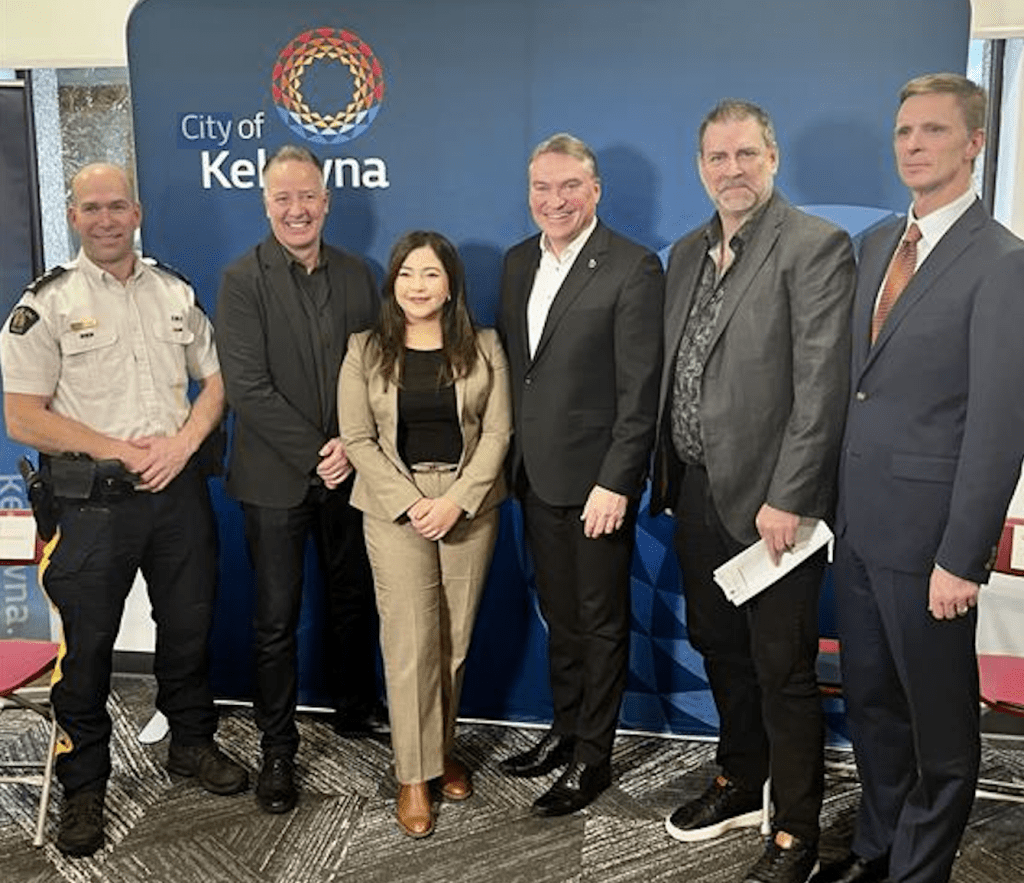
The Canadian Mental Health Association is bringing its Crisis Response Community Led, or CRCL, program that will serve as an alternative to calling the police during incidents that would be better handled by mental health professionals, according to a press release from the City of Kelowna issued today, Nov. 13.
“Addressing crime and improving community safety takes collaboration across all levels of government and a comprehensive approach that brings different solutions together,” Kelowna mayor Tom Dyas said in the release.
“The Crisis Response Community Led service ensures people in crisis receive compassionate, community-based support, while enabling police to focus more on crime and safety-related calls. Public safety is a priority for the people of Kelowna and this Council, and programs like this help create a safer, more responsive community for everyone.”
The program will respond to calls from people going through a crisis, their loved ones or concerned members of the public. The kinds of crises the services is meant for include thoughts of suicide or self-harm, feelings of grief, panic or anxiety, and acting or feeling in ways that are distressing.
It’s going to be staffed by mental health professionals and people with lived experience dealing with mental health and addiction. The team is expected to start responding to calls in early 2026.
“By combining clinical expertise with the lived experience of those who’ve faced similar challenges, we’re building a model of care rooted in compassion and community. It’s a powerful reminder that healing happens best when people feel seen, heard, and supported every step of the way,” BC Health Minister Josie Osborne said in the release.
Any situations where someone is in danger, or having a medical emergency, should always be directed to 911.
Crisis Response Community Led won’t resolve disputes, remove people from public spaces, detain people under the Mental Health Act or provide long-term care. The team also won’t handle situations for kids under 13 years old.
The program is already in place in North and West Vancouver, Prince George, Comox Valley, Victoria and Kamloops.
Since the program launched in 2023 it has responded to more than 13,000 calls and resolved 98 per cent of those incidents without calling emergency services like police or paramedics.
“When someone experiences a crisis, the smallest moments of compassion can make a world of difference. CRCL is making that difference, saving and changing lives in communities across B.C.,” Canadian Mental Health Association CEO Jonny Morris said in the release.
News from © iNFOnews.ca, . All rights reserved.
This material may not be published, broadcast, rewritten or redistributed.

This site is protected by reCAPTCHA and the Google Privacy Policy and Terms of Service apply.
Want to share your thoughts, add context, or connect with others in your community?
You must be logged in to post a comment.