Elevate your local knowledge
Sign up for the iNFOnews newsletter today!
Sign up for the iNFOnews newsletter today!
Selecting your primary region ensures you get the stories that matter to you first.
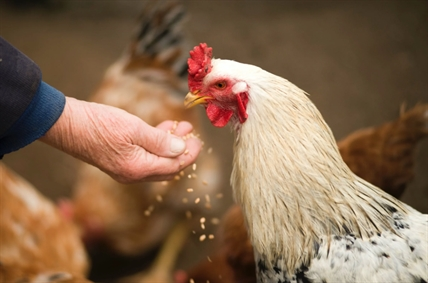
It’s migration season and that means some travelling wild birds are posing a risk to BC poultry flocks.
Bird flu was detected on a Salmon Arm farm and on Nov. 4 the Canadian Food Inspection Agency followed up with restrictions on farms in the area to control the spread.
While there’s no risk to human consumption, the controls mean poultry farmers need to jump through various hoops to get their product to grocery stores or it could mean an entire flock is culled.
“Farmers don’t want an infection on their farm. It’s the last thing they want,” BC Poultry Association spokesperson Shawn Hall told iNFOnews.ca. “It’s difficult emotionally, it’s difficult financially — this is their livelihood… So, it’s devastating when you have an infection, but farmers are resilient and we are working through this.”
Hall said the culls are necessary, but it’s the “humane” approach as the avian influenza virus is fatal and can spread among bird populations quickly.
The Salmon Arm infection is the latest after 15 previous farms where bird flu cases have been confirmed, primarily in the Fraser Valley region.
Farms within a 10 kilometre radius around the infection zone are now subject to a set of restrictions, including a requirement they get permits before transporting any of their flock or products from the farm.
As migrating aquatic birds travel south, their periodic stops throughout the province bring them into contact with other birds and that risks both wild and commercial flocks, Hall said. Farmers take measures to prevent the spread, but it’s an impossible task to stop the contagion perfectly before a flock is brought indoors.
The signs of a sick bird can vary. Physical symptoms like a lack of energy or movement could be a sign of infection, but a bird may appear nervous or have tremors and lack coordination. They also may have respiratory issues, diarrhea or swelling around the head, neck and eyes.
Including culls, 12 million birds are estimated to have died in BC of the virus since the avian influenza outbreak began in 2022, according to the Canadian Food Inspection Agency.
As measures to combat the bird flu outbreak ramp up in BC, the fight to stop the cull of ostriches at a Kootenay farm in Edgewood could be nearing its end. By Nov. 6, Canada’s highest court will decide whether to hear the Universal Ostrich Farm challenge.
Hall said members of the BC Poultry Association don’t raise ostriches, but he said culls are a reality farmers face amid a viral outbreak.
“Culling commercial flocks, chicken and turkey, is unfortunately necessary, and it’s an important measure to control the spread of the virus,” Hall said.
It’s not clear how widespread the viral outbreak is among wild birds, but cases have been confirmed in dead birds across the province including red-tailed hawks, bald eagles, crows and Canada geese.
In the US, a strain of the avian influenza has also been found in cattle, while BC reported Canada’s first domestically acquired case among humans last November. The teenage patient spent two months in hospital.
The BC Centre of Disease Control suggests people limit any contact with wild birds or poultry to prevent any spread. While cooking bird products kills the virus, touching sick animals or their droppings risks spreading the virus.
More information from the BC Centre of Disease Control can be found here.
Updates on the outbreak from the Canadian Food Inspection Agency can be found here.
Contact the wild bird reporting line to report any sick or dead birds in BC at 1-866-431-2473.
News from © iNFOnews.ca, . All rights reserved.
This material may not be published, broadcast, rewritten or redistributed.

This site is protected by reCAPTCHA and the Google Privacy Policy and Terms of Service apply.
Want to share your thoughts, add context, or connect with others in your community?
You must be logged in to post a comment.