Elevate your local knowledge
Sign up for the iNFOnews newsletter today!
Elevate your local knowledge
Sign up for the iNFOnews newsletter today!
Select Region
Selecting your primary region ensures you get the stories that matter to you first.
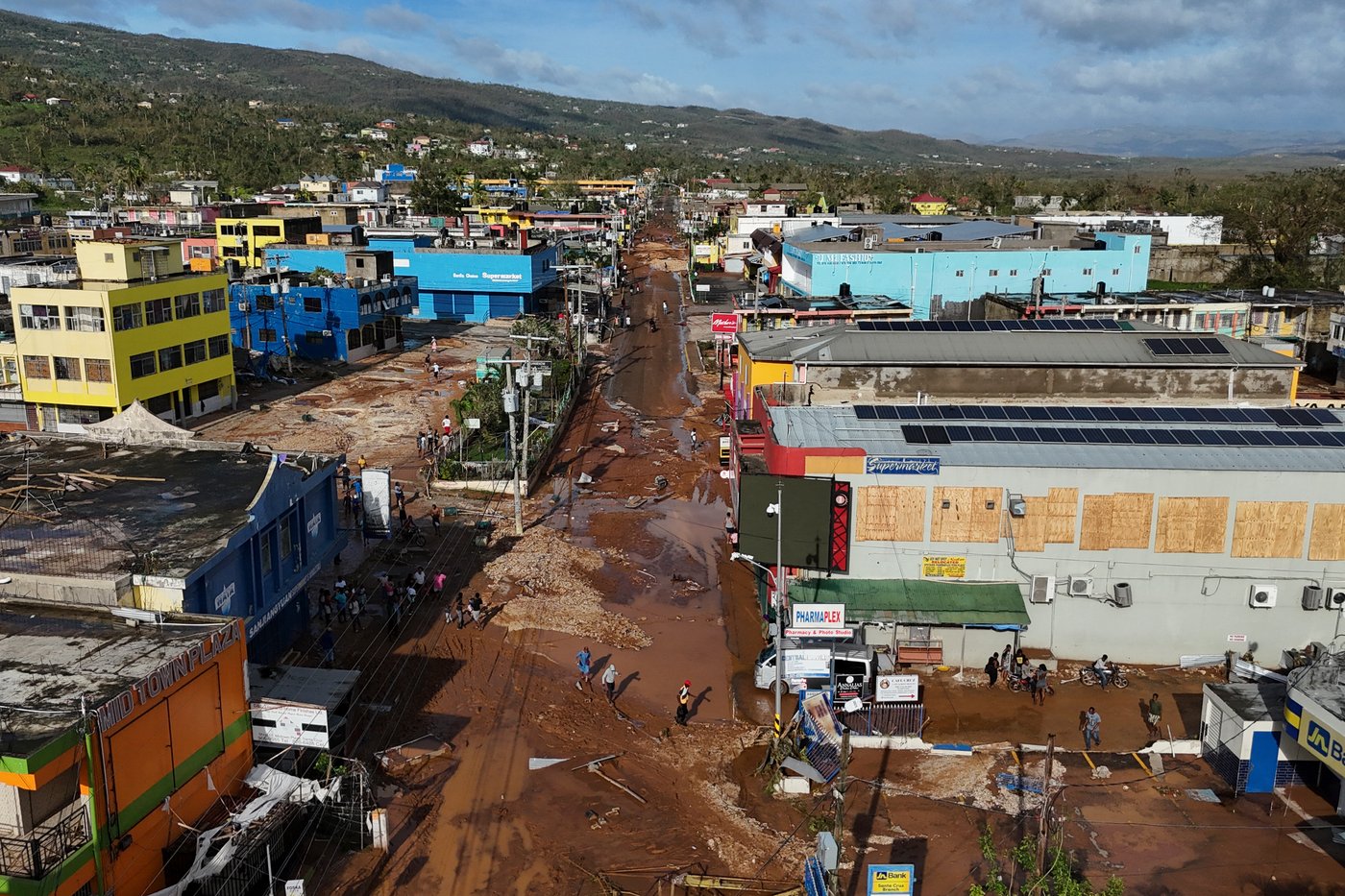
Hurricane Melissa pummeled areas of the Caribbean already vulnerable to landslides and flash flooding because of factors made worse by decades of deforestation, with risks likely to continue for days as bands of rain pass through, experts said.
Those risks are compounded by loss of trees and other vegetation that help hold soil in place and slow runoff, as well as the development of roads in forested areas, experts said.
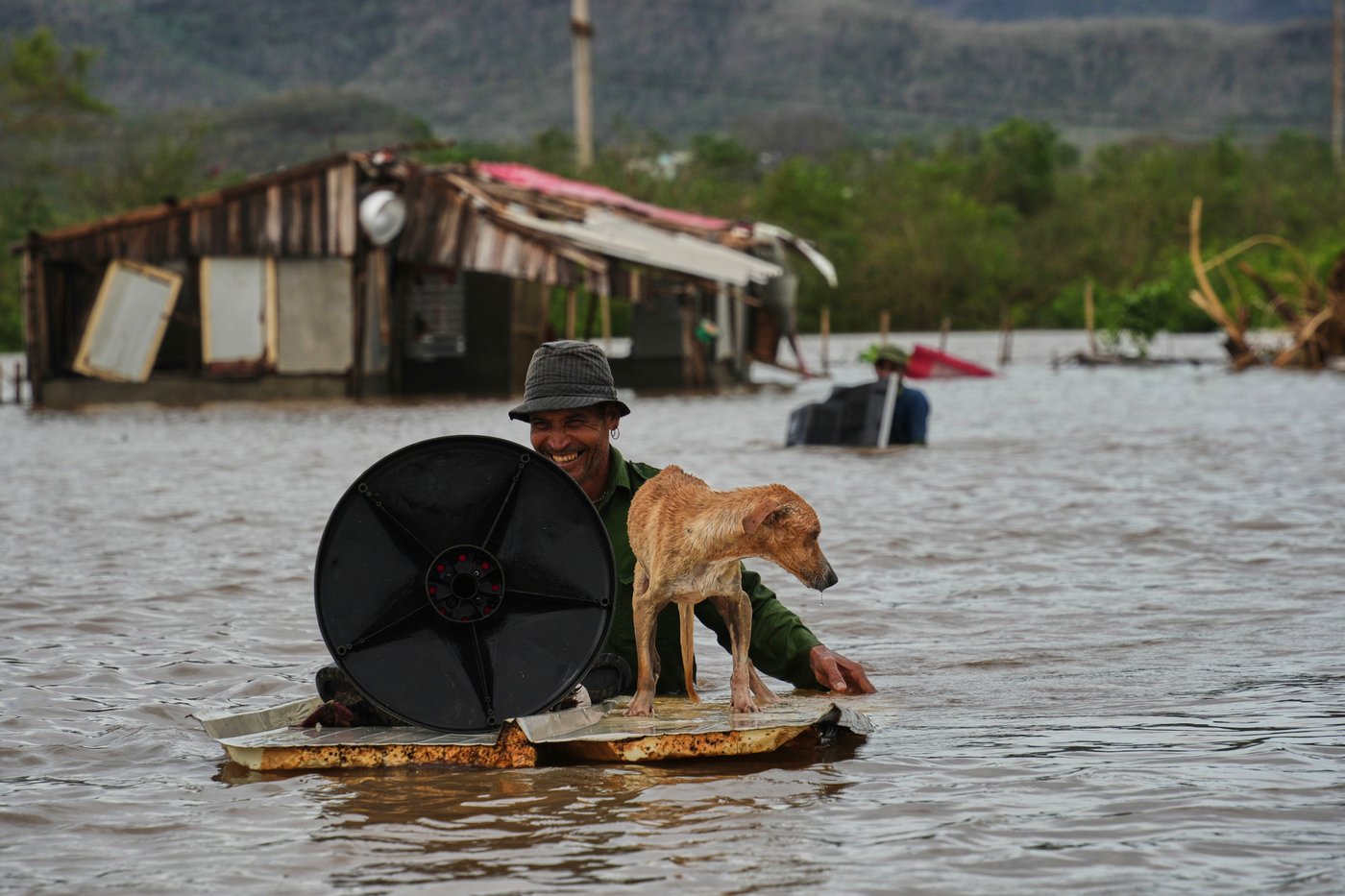
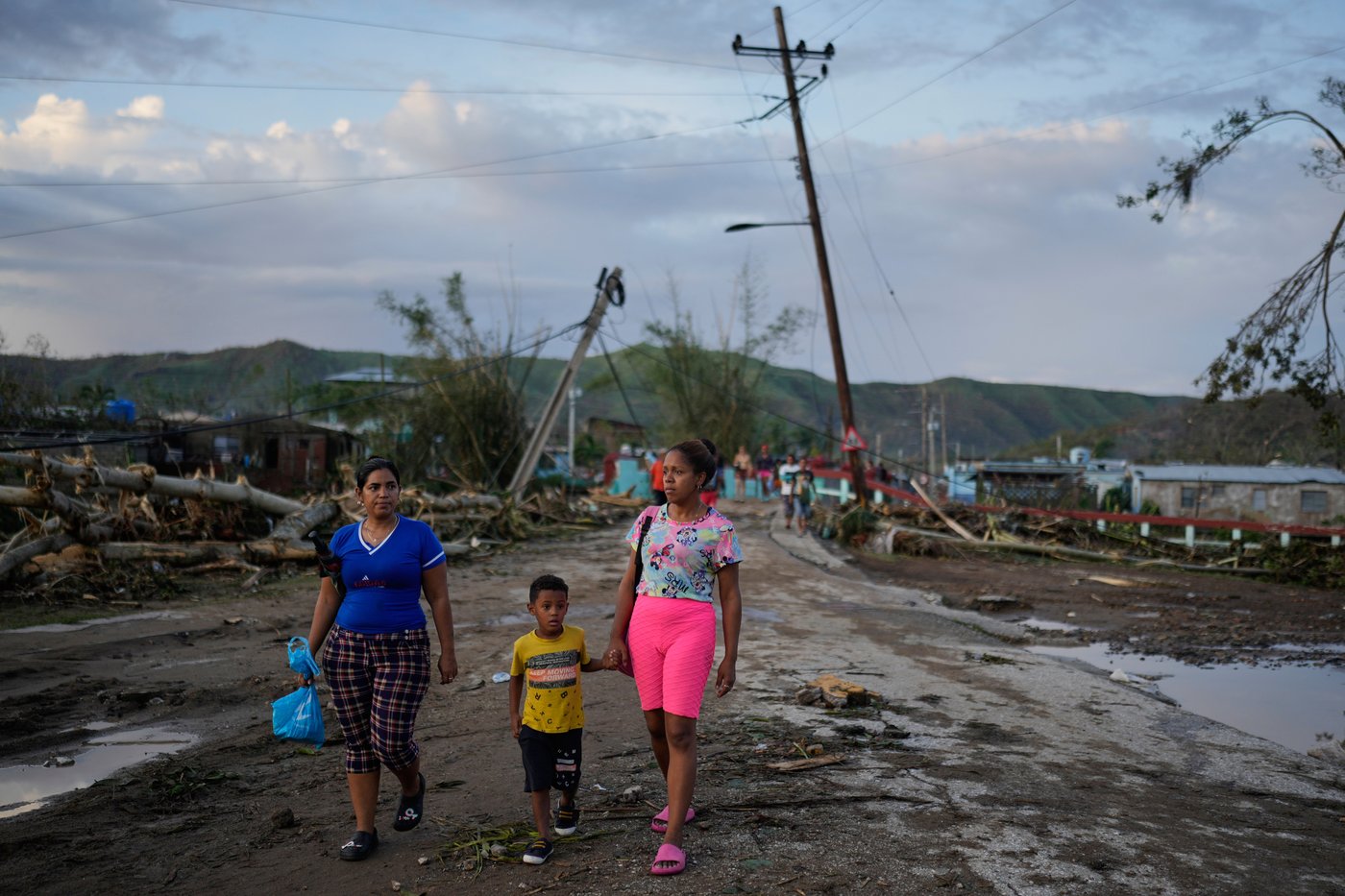
The full extent of the destruction wasn’t clear Thursday morning. In Jamaica, dangerous conditions and widespread power outages — especially in the hardest-hit areas in the west — have hindered the assessment of damage from the Category 5 storm, which packed sustained winds of 185 mph (298 kph) and dumped more than 3 feet (0.9 meters) of rain in some areas.
“Things are still chaotic on the ground (so) we don’t quite know how bad it is,” said Nicole Leotaud, executive director of the Caribbean Natural Resources Institute, who says her organization is worried because it hasn’t been able to contact partners in western Jamaica.
“I think it’s gonna be devastating,” Leotaud said, adding that landslides and flooding already were increasingly common with any heavy rain, let alone one of the most powerful Atlantic hurricanes on record.
A landslide blocked the main roads of Santa Cruz in Jamaica’s St. Elizabeth parish, where wind ripped off part of the roof at a high school that serves as a public shelter.
More than 25,000 people remained crowded into shelters across the western half of the country on Thursday, and 77% of the island was without power. Government workers and residents were clearing roads to try to reach isolated communities that sustained a direct hit, and authorities said they found at least four bodies in southwest Jamaica.
“The devastation is enormous,” Jamaican Transportation Minister Daryl Vaz said.
In Cuba, people began to clear blocked roads and highways with heavy equipment while the military helped rescue people trapped in isolated communities at risk from landslides.
Landslides and deforestation
About half of Jamaica is considered at high risk of landslides, with 30% at very high risk, due to hilly and mountainous terrain, volcanic soils and earthquake activity. The island is one of the most susceptible to landslides in the Caribbean, an AP analysis of NASA data shows.
Jamaica lost 7.4% of its tree cover from 2001-2024, primarily driven by permanent land conversion for agriculture, according to data from Global Forest Watch. In about the same period, from 2002-2024, humid primary forest accounted for one-fifth of the total tree-cover loss — “especially relevant because those are old-growth forests (and) once they’re gone, it’s just going to take a very long time for them to recover,” said Elizabeth Goldman, co-director of Global Forest Watch.
The loss of vegetation near waterways also makes floods more “flashy,” or fast-moving, putting people’s lives and homes at risk because “they’re not able to get out fast enough,” said Maria Uriarte, a professor of ecology, evolution, and environmental biology at Columbia University. “That is extremely dangerous.”
The threat of big storms and floods is increasing in the entire Caribbean due to climate change, she said, because a warmer atmosphere holds more water and warmer oceans provide fuel that supercharges hurricanes.
Experts said some parts of the ocean under Melissa were 2 degrees Celsius (3.6 degrees Fahrenheit) warmer than the long-term average for this time of year, allowing the storm to undergo extreme rapid intensification.
But even in the absence of hurricanes, the Caribbean is becoming more vulnerable to flooding and landslides because of an increasing pattern of very heavy rains followed by drought, said Leotaud, from the Caribbean Natural Resources Institute.
“So it becomes so common … to have flooding events just with the slightest bit of rain,” she said.
That also makes hurricanes even more dangerous, she said.
“Around the region everybody is just very fearful every hurricane season,” Leotaud said. “Everybody’s just so traumatized every year.”
___
The Associated Press’ climate and environmental coverage receives financial support from multiple private foundations. AP is solely responsible for all content. Find AP’s standards for working with philanthropies, a list of supporters and funded coverage areas at AP.org.

News from © The Associated Press, . All rights reserved.
This material may not be published, broadcast, rewritten or redistributed.

This site is protected by reCAPTCHA and the Google Privacy Policy and Terms of Service apply.
Want to share your thoughts, add context, or connect with others in your community?
You must be logged in to post a comment.