Elevate your local knowledge
Sign up for the iNFOnews newsletter today!
LONDON (AP) — — April 16, 1945: The Soviet Red Army begins its final assault on Berlin, the capital of Nazi Germany.
— April 28: Former Italian fascist premier Benito Mussolini is executed by Italian partisans near Lake Como.
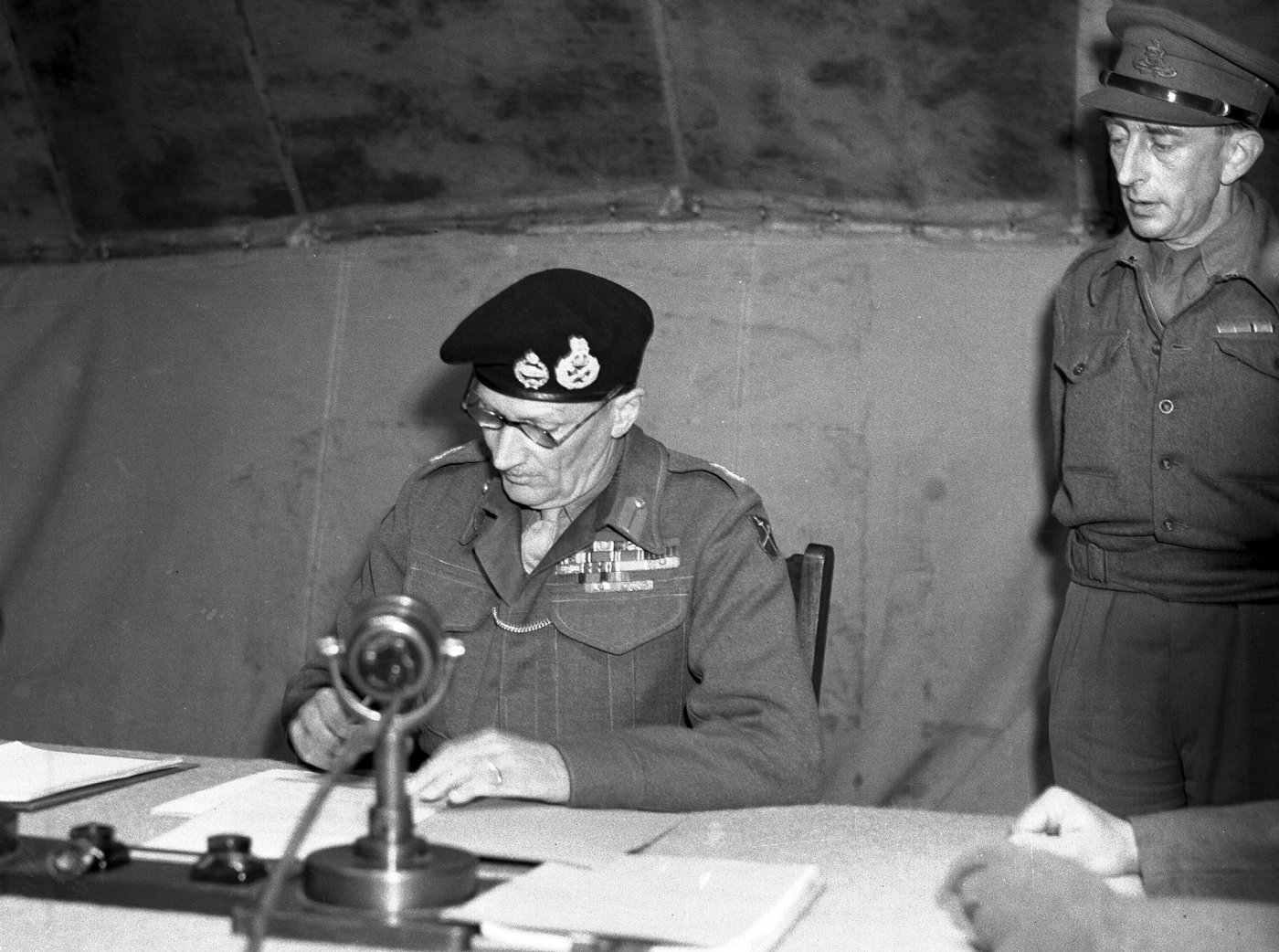
— April 29: British Field Marshal Harold Alexander accepts the unconditional surrender of German and Italian forces in Italy and western Austria in a ceremony at the Palace of Caserta, north of Naples. The surrender formally takes effect at noon May 2.
— April 30: Adolf Hitler commits suicide in his bunker under the Reich Chancellery in Berlin. Adm. Karl Dönitz succeeds him as Germany’s head of state.
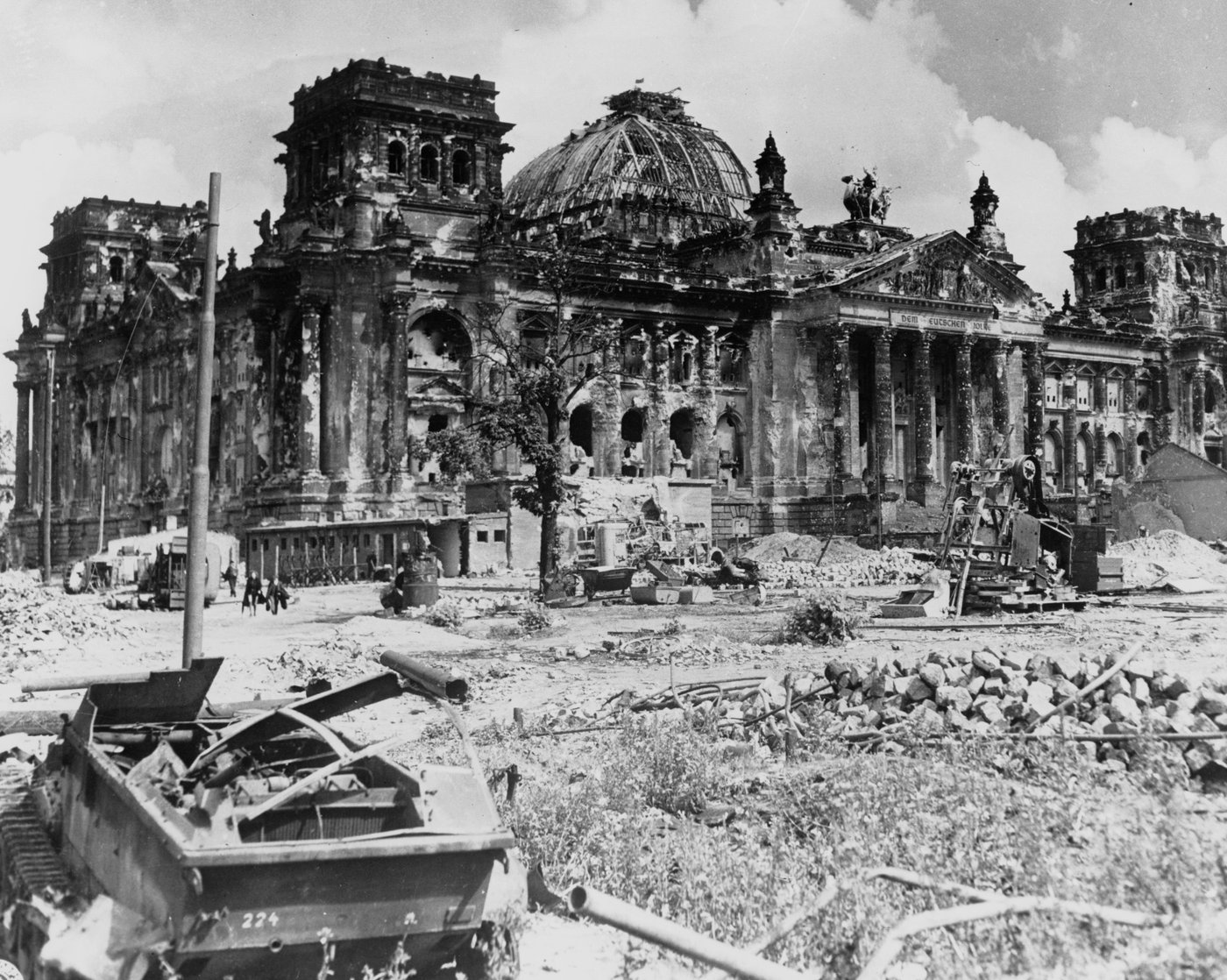
— May 2: Soviet forces complete their conquest of Berlin as the last defenders surrender.
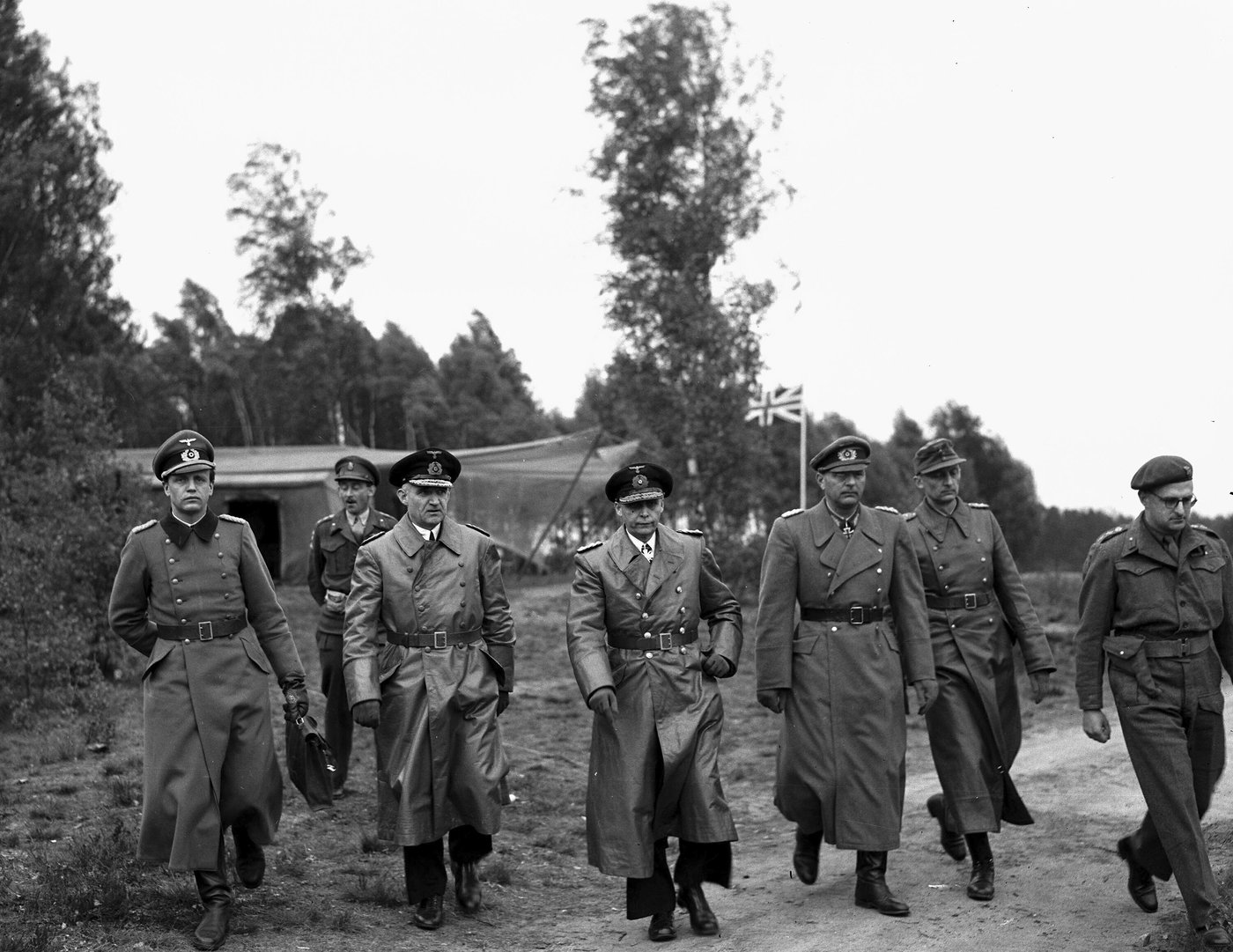
— May 4: British Field Marshal Bernard Montgomery accepts the surrender of German forces in northwestern Germany, Denmark and the Netherlands at Luneberg Heath, south of Hamburg.
— May 7: Supreme Allied Commander U.S. Gen. Dwight D. Eisenhower accepts the unconditional surrender of all German forces at Allied headquarters in Reims, France. The document of surrender is signed at 2:41 a.m. by Gen. Alfred Jodl at the direction of Dönitz. It goes into effect the next day. Soviet leaders refuse to recognize the document as the final surrender because the ceremony doesn’t reflect their country’s key role in defeating Nazi Germany.
— May 7: The Associated Press flashes news of the surrender at 9:35 a.m. Eastern War Time (3:35 p.m. in London).
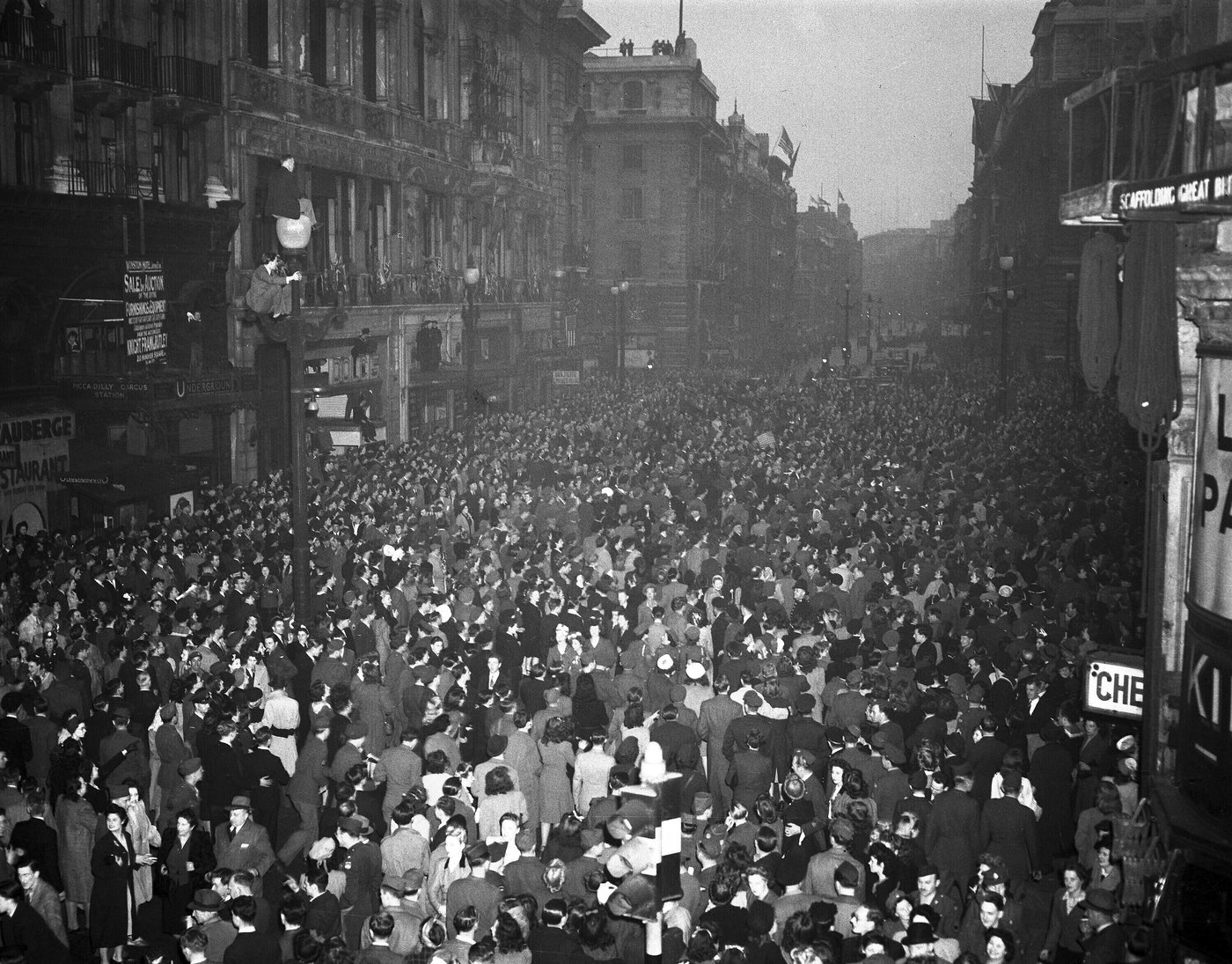
Later in the day, the BBC interrupts scheduled programming to announce that the next day would be Victory in Europe Day and had been declared a national holiday. People start celebrating right away, lighting bonfires and filling pubs.
— May 8: German Field Marshal William Keitel signs the Definitive Act of Military Surrender in Berlin, satisfying Soviet concerns about the Reims surrender. The document was signed at around midnight in Berlin. Russia celebrates the end of the war on May 9.
News from © The Associated Press, . All rights reserved.
This material may not be published, broadcast, rewritten or redistributed.

This site is protected by reCAPTCHA and the Google Privacy Policy and Terms of Service apply.
Want to share your thoughts, add context, or connect with others in your community?
You must be logged in to post a comment.