Elevate your local knowledge
Sign up for the iNFOnews newsletter today!
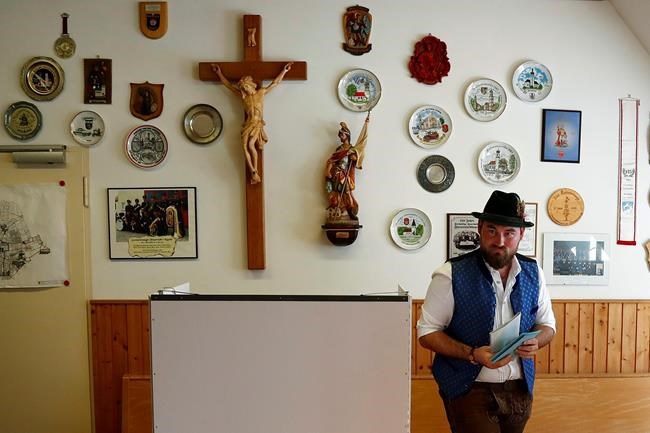
MUNICH – Far-right groups engaged in concerted social media campaigns to influence last year’s election in the German state of Bavaria by promoting the Alternative for Germany party and smearing its opponents, according to a study published Friday.
The Institute for Strategic Dialogue, a London-based think-tank , said it also identified online tactics used by German and international far-right activists to amplify the support for the far-right party and undermine trust in the election process.
Alternative for Germany, known by its acronym AfD, received 10.2 per cent of the vote in the October election, sapping support from the governing Christian Social Union. The report, released at the annual Munich Security Conference, didn’t determine whether the online efforts contributed to AfD’s electoral success or not.
Researchers said the election meddling wasn’t driven by foreign countries, but rather by non-state networks of international far-right activists “using English language instruction manuals, meme banks and targeted trolling hit-lists.”
A similar set of tactics had been observed in earlier elections in Italy, Sweden and during national elections in Germany, they said.
Far-right activists were helped by new technology platforms that allowed them to communicate privately in what the authors called “safe havens for international extremist mobilization online.”
The report calls for more research into online election meddling, greater transparency in advertising and for technology companies to better enforce existing policies designed to prevent abuse of their services.
The authors suggest this is “vital in order to mitigate the potential derailing of the forthcoming EU parliamentary elections” in May.
“We have repeatedly seen evidence of a playbook of online tactics deployed by transnational cultural and ethno-nativist groups to influence national elections in Europe, but this is the first time we have seen it played out on a regional level,” said Sasha Havlicek, chief executive of the Institute for Strategic Dialogue. “The concerted effort to influence the elections in Bavaria should be a warning sign to those overseeing election integrity across Europe.”
___
ISD report: https://www.isdglobal.org/isd-publications/battle-for-bavaria/
News from © iNFOnews.ca, . All rights reserved.
This material may not be published, broadcast, rewritten or redistributed.

This site is protected by reCAPTCHA and the Google Privacy Policy and Terms of Service apply.
Want to share your thoughts, add context, or connect with others in your community?
You must be logged in to post a comment.