Elevate your local knowledge
Sign up for the iNFOnews newsletter today!
MOSCOW – Russian athletics looked set for conflict with the IAAF over doping even as the government admitted on Tuesday some top coaches relied on giving banned substances to their athletes.
The IAAF on Monday said Russia would probably not be reinstated to global athletics until at least November, extending a ban first imposed in November 2015. That means there won’t be an official Russia team at the world championships in August, though there may be “neutral” athletes competing.
A new IAAF road map obliges the All-Russian Athletics Federation to confront World Anti-Doping Agency allegations the Russian state oversaw a vast coverup of drug use, either by accepting them or “convincingly rebutting those findings.”
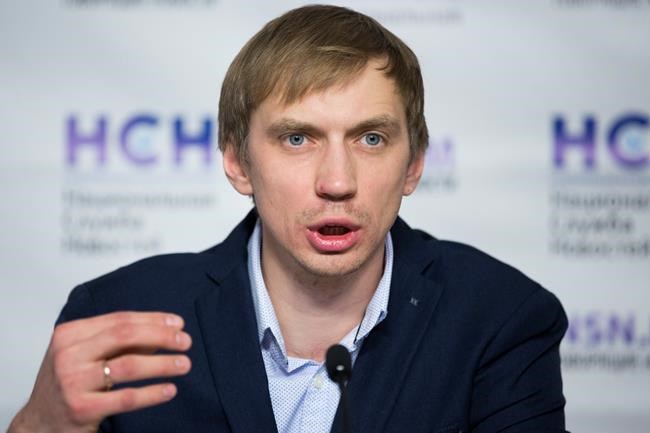
ARAF first vice-president Andrei Silnov ruled out an admission Russian doping was state-backed.
“There are no facts there, just assertions, and we’re gradually proving that it’s not a state structure, a system, that kind of thing,” he told The Associated Press.
A former Olympic high jump champion, Silnov said whistleblowers about doping in Russia were motivated by money, questioned claims that Russia had “a culture of doping,” and suggested the IAAF was unfairly slowing down Russia’s reinstatement.
“The criteria we have, we fulfil. We fulfil them and there’s a new set,” he said. “The process goes on and on.”
Silnov held a news conference alongside former long jump world record-holder Igor Ter-Ovanesyan, who said East German athletes’ steroid-fueled successes during the Cold War should be seen as legitimate products of “good pharmacology,” rather than condemned as doping. Silnov did not challenge the claim.
Those comments came as Deputy Prime Minister Vitaly Mutko sought to play down differences between Russia and the IAAF, saying Russian athletics had major problems but “over the last year, colossal work has been done” on reforms.
“There were many abuses and breaches. Athletes broke the rules and many coaches don’t understand how to work without doping and it’s high time for them to retire,” Mutko told state news agency R-Sport.
On Monday, Mutko was singled out for criticism by IAAF taskforce leader Rune Andersen because of his often-colorful criticism of anti-doping rulings against Russia.
Following a council meeting, the IAAF laid out conditions for Russia to return to competition, including the reinstatement of the national drug-testing agency, which remains suspended over various allegations of covering up doping. That isn’t considered likely to happen until November.
The IAAF is also considering 35 applications from Russians willing to compete as “neutral” athletes if they can show a record of independent drug-testing by agencies other than the suspended national body. Two others — doping whistleblower Yulia Stepanova and U.S.-based long jumper Daria Klishina — already have this right.
Silnov said he was opposed to the idea of neutral athletes in principle and might have refused the status during his competitive career, but said he would accept others doing so if there was no other way to compete.
“They’re Russians regardless,” Silnov said. “There’s no other way out of this (situation).”
News from © The Associated Press, . All rights reserved.
This material may not be published, broadcast, rewritten or redistributed.

This site is protected by reCAPTCHA and the Google Privacy Policy and Terms of Service apply.
Want to share your thoughts, add context, or connect with others in your community?
You must be logged in to post a comment.